

buy insulated glass
Understanding Level Suppliers in Supply Chain Management In the world of supply chain management, the term level supplier refers to the classification of suppliers based on their strategic importance, capabilities, and the role they play in the supply chain ecosystem. This concept is crucial for businesses looking to optimize their sourcing strategies and build resilient supplier relationships. Level suppliers can generally be categorized into three tiers tier 1, tier 2, and tier 3 suppliers. Tier 1 suppliers are the primary providers that deal directly with the manufacturer, supplying critical components or services that directly impact production. Their reliability, quality, and innovation capabilities significantly influence the success of the end product. On the other hand, tier 2 suppliers support tier 1 suppliers with secondary components or raw materials. Finally, tier 3 suppliers produce basic raw materials or commodities that are essential but may not be directly involved in the final product delivery. The classification of suppliers into these levels plays an essential role in risk management and procurement strategies. By identifying tier 1 suppliers, companies can prioritize relationships and establish tighter collaboration, leading to enhanced product quality, improved delivery timelines, and shared innovation efforts. For example, in the automotive industry, a tier 1 supplier might be responsible for the assembly of complex systems, while tier 2 suppliers would provide specific parts, such as electronic components or mechanical assemblies. level supplier Moreover, understanding the level of suppliers allows companies to manage risks effectively. With tier 1 suppliers representing a more significant operational risk, businesses must conduct thorough assessments to ensure these suppliers have robust processes to handle market fluctuations, supply disruptions, and regulatory compliance. Extended due diligence not only helps mitigate risks but also strengthens the overall supply chain resilience. In today’s fast-paced market, where disruptions such as natural disasters, geopolitical tensions, and pandemics can affect supply chains, managing level suppliers strategically has become increasingly vital. Organizations are adopting more proactive approaches by diversifying their supplier base and establishing contingency plans . These strategies enable businesses to reduce dependency on a limited number of suppliers, thereby minimizing vulnerability in times of crisis. Technological advancements, such as blockchain, artificial intelligence, and big data analytics, have further transformed the way companies interact with level suppliers. These technologies provide enhanced visibility throughout the supply chain, leading to better decision-making and more effective supplier management practices. For instance, predictive analytics can help organizations foresee potential disruptions and proactively engage with their suppliers to devise alternative strategies. In conclusion, understanding level suppliers is fundamental for businesses aiming to enhance their supply chain efficiency and robustness. By classifying suppliers into tiers and nurturing relationships with tier 1 suppliers, companies can drive innovation, manage risks better, and ensure a steady flow of quality materials needed for production. As global markets continue to evolve, the strategic management of level suppliers will be a critical component for future success in supply chain operations.
about
buy insulated glass
Understanding the 2% Angle Globe Valve Design, Functionality, and Applications In the vast world of fluid control systems, choosing the right valve is crucial for efficient operation and reliability. Among the myriad of valves available, the 2% angle globe valve stands out for its unique design and functionality. This article will delve into the characteristics, advantages, applications, and maintenance of the 2% angle globe valve. What is a 2% Angle Globe Valve? A globe valve is a type of valve that uses a spherical body and a movable disk-like element to control the flow of fluids. The 2% angle refers to the design angle at which the inlet and outlet ports are connected, which is approximately 2 degrees from a vertical line. This design allows for better flow control and reduced pressure drop compared to traditional globe valves. The geometry of the valve body enables a significant reduction in turbulence, leading to a more efficient flow path. Key Features and Advantages 1. Flow Control The primary function of a 2% angle globe valve is to regulate flow. The valve's design allows for precise control over the flow rate, making it ideal for applications where accurate flow measurement and regulation are essential. 2. Reduced Pressure Drop Compared to standard globe valves, the 2% angle globe valve has a more streamlined internal design, which minimizes the pressure loss across the valve. This feature helps maintain system efficiency, making it a favorable choice in various industrial applications. 3. Durable Construction These valves are typically made from high-quality materials such as stainless steel, brass, or other alloys, ensuring they can withstand the most demanding operating conditions, including high pressure and temperature. 4. Versatility The 2% angle globe valve can handle a wide range of fluids, including liquids, gases, and steam. Its adaptability makes it suitable for diverse industries, including oil and gas, chemical processing, water treatment, and HVAC systems. 5. Easy Maintenance Maintenance of the 2% angle globe valve is generally straightforward due to the valve's design. Most models allow for in-line maintenance, meaning they do not need to be removed from the pipeline for servicing. 2 angle globe valve Applications The 2% angle globe valve is employed in numerous industrial applications, particularly where flow control is critical. Common applications include - Chemical Processing The ability to finely tune flow rates makes these valves ideal for chemical reactors and other processes where precise ingredient ratios are necessary. - Oil and Gas In oil extraction and refining, controlling the flow of oil and gas safely and efficiently is paramount. The 2% angle globe valve can handle high-pressure conditions typical in this sector. - Water Treatment These valves are used in various water treatment plants to regulate the flow of treated water or chemicals used in the treatment process. - HVAC Systems In heating, ventilation, and air conditioning (HVAC) applications, the valve aids in regulating hot water and steam flow, contributing to energy efficiency. Conclusion In conclusion, the 2% angle globe valve is an essential component in the toolkit of engineers and operators across multiple industries. Its design provides significant advantages in flow regulation, pressure maintenance, and durability, making it a reliable choice for critical applications. When selecting a valve, it is imperative to consider the characteristics specific to your application and consult technical specifications to ensure compatibility and performance expectations are met. Investing in a high-quality 2% angle globe valve not only enhances system efficiency but also promotes safety and reliability in fluid control processes. Whether utilized in chemical processing or water treatment, this valve stands as a testament to engineering ingenuity, providing functionality that meets the demands of modern industrial applications.
-

High quality industrial productsagement

High quality industrial products
View Details -

Meet the diverse needs of customers

Meet the diverse needs of customers
View Details -

Strict quality control

Strict quality control
View Details -

Top raw materials

Top raw materials
View Details -

Trusted supplier

Trusted supplier
View Details
Our application


news and information
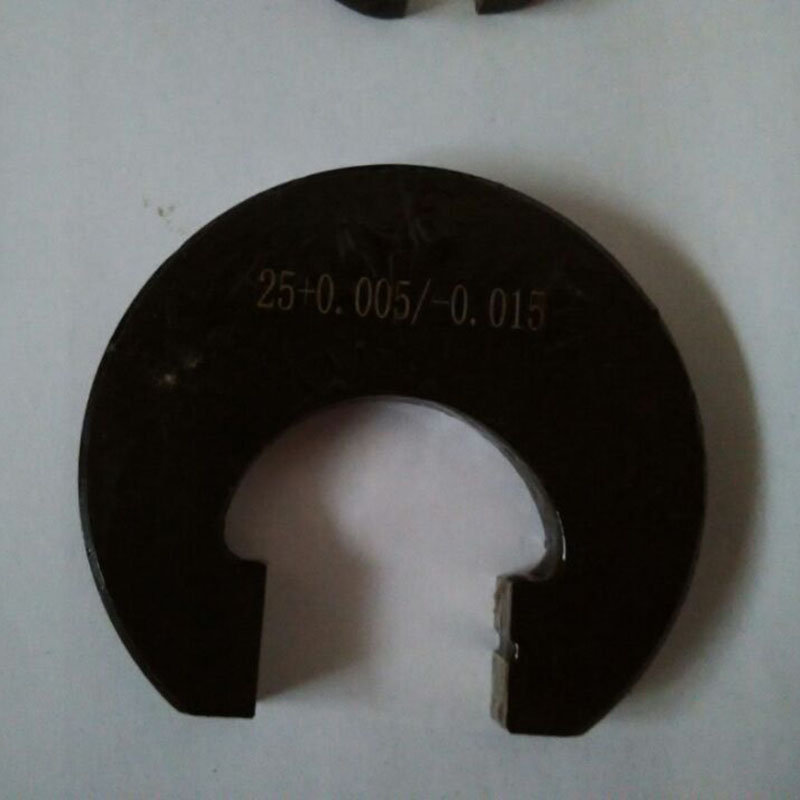
Wood Frame Truss Nail Plate Solutions _ Durable & Reliable Truss Connectors
Wood Frame Truss Nail Plate An Essential Component in Construction Wood frame trusses are a vital co
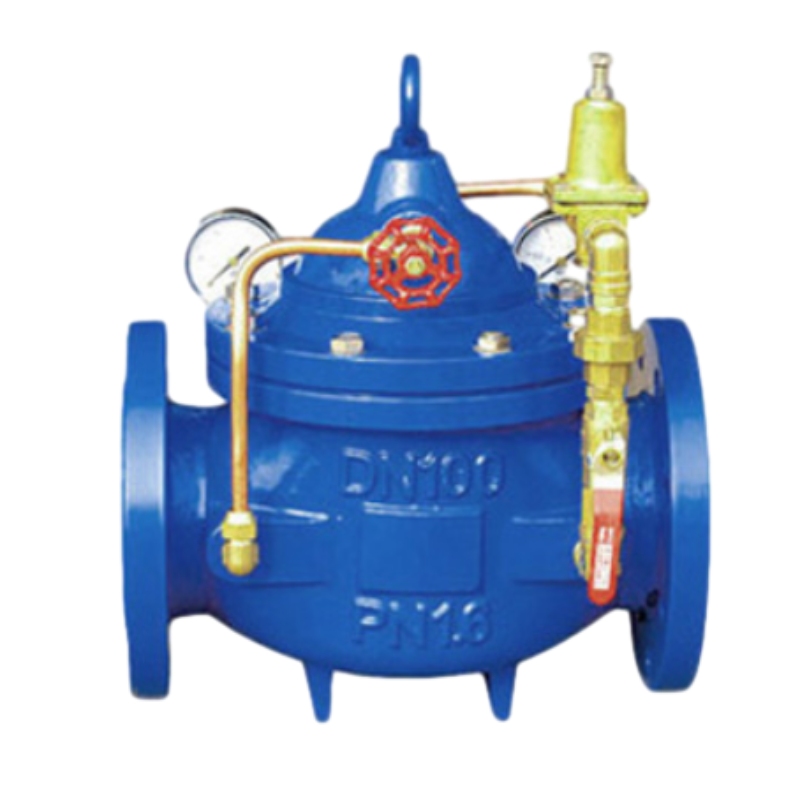
v block design
Exploring the V-Block Design A Revolutionary Approach in Architecture In the ever-evolving landscape
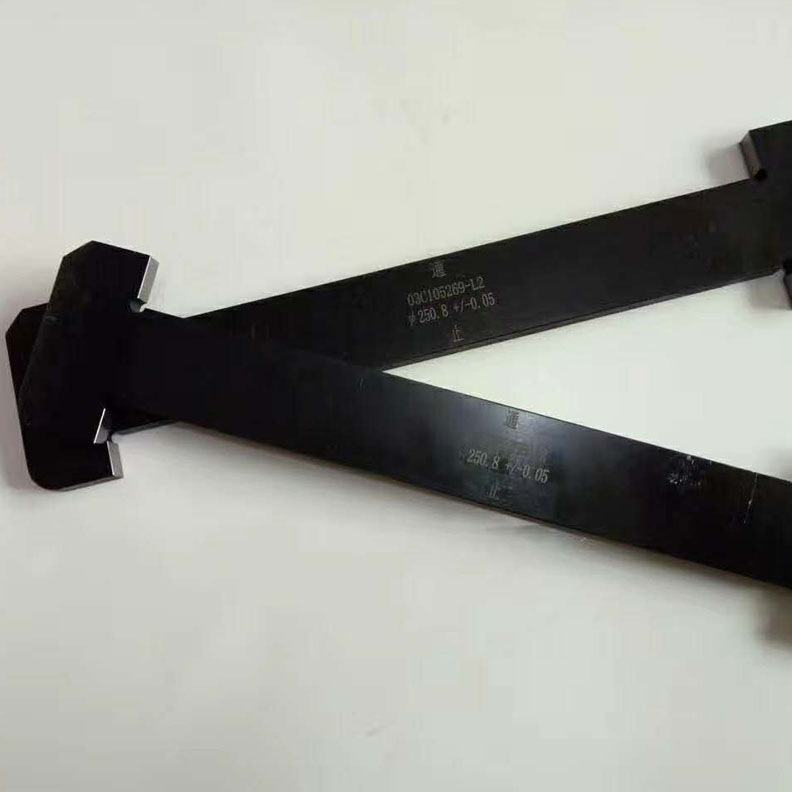
water pressure regulating valve
Understanding Water Pressure Regulating Valves A Key Component for Efficient Plumbing Systems Water
 English